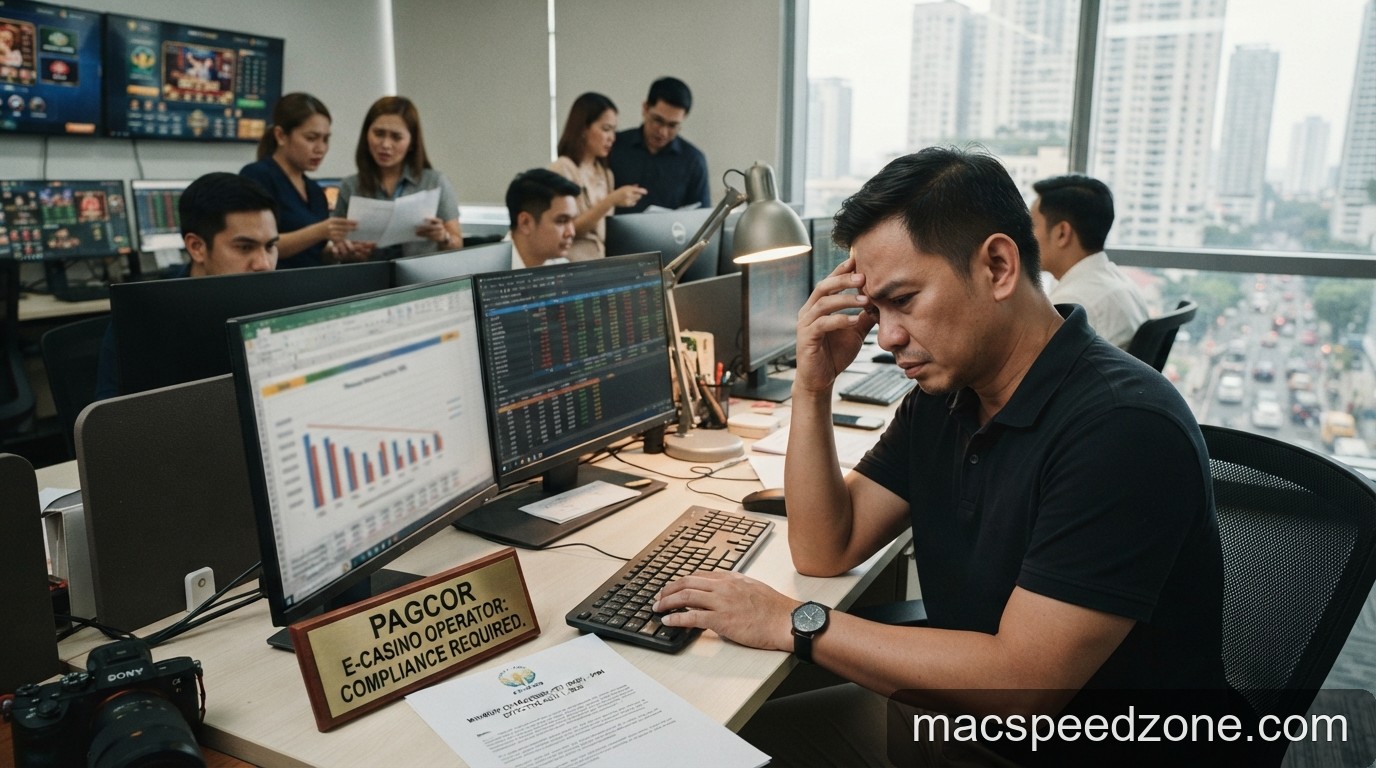
The Philippine Amusement and Gaming Corporation (PAGCOR) implemented a Minimum Guaranteed Fee (MGF) of ₱9 million monthly for e-casino operators, effective July 1, 2026. This new revenue floor is driving a significant shakeout in the domestic online gaming market, with reports indicating that over 60% of licensed operators are struggling to meet these new financial benchmarks.
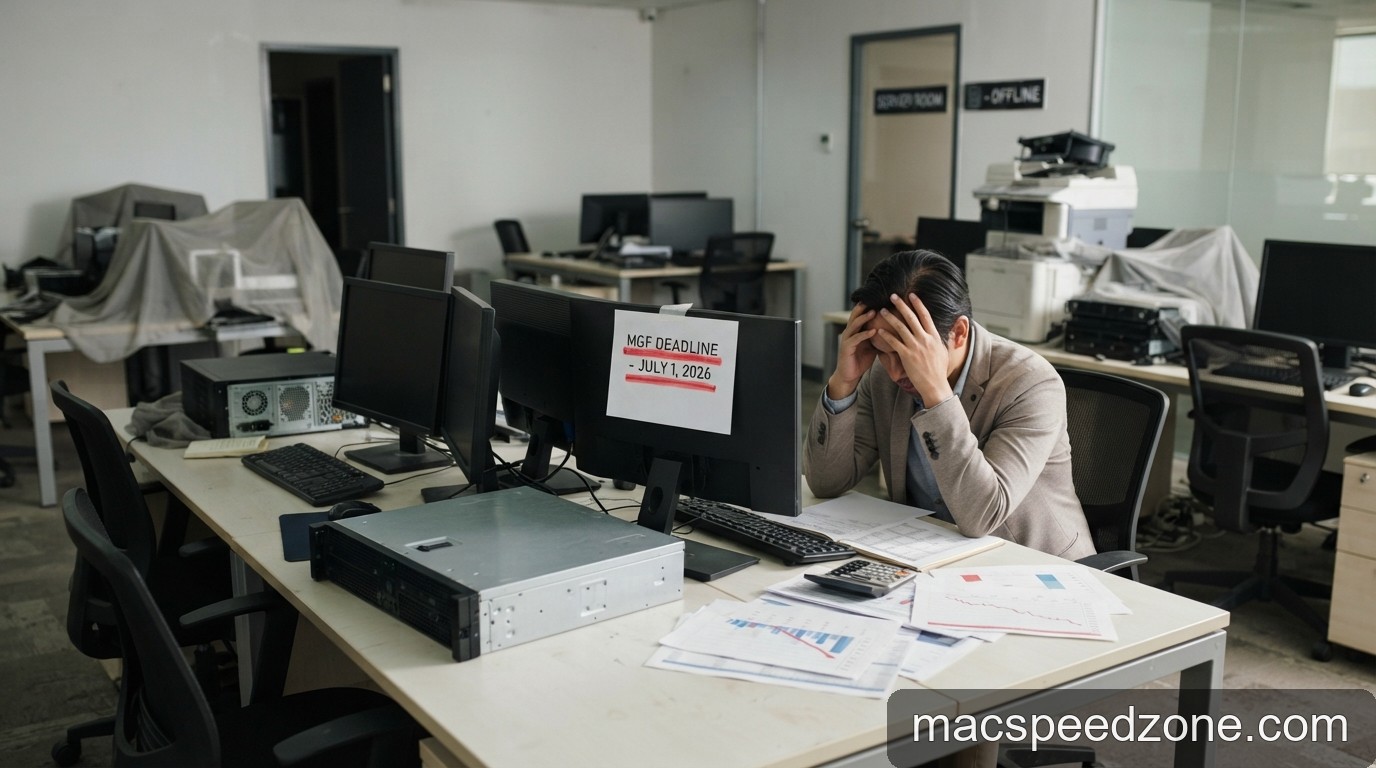
This policy aims to professionalize the sector, ensure equitable state contributions, and address potential revenue underreporting, ultimately impacting the stability of operators and the security of player funds.
Key Takeaways for Filipino Players
- PAGCOR's MGF policy, effective July 1, 2026, mandates a ₱9 million monthly fee for e-casino operators.
- Over 60% of licensed operators are reportedly struggling to meet these new financial requirements.
- This has led to a market shakeout, with some operators seeking mergers, exits, or rescue capital.
- PAGCOR licenses are non-transferable; beware of illegal "license sales" to foreign investors.
- PAGCOR has enhanced player fund security measures, holding operators liable for unsettled funds even after platform deactivation.
The New Regulatory Landscape: ₱9 Million MGF Explained
PAGCOR's Minimum Guaranteed Fee (MGF) policy, which became effective on July 1, 2026, after an initial deferment, requires e-casino operators to pay a flat monthly fee of ₱9 million. This fee applies to Gaming System Administrators (GSAs) with electronic casino games generating a minimum Gross Gaming Revenue (GGR) of ₱30 million per month during the first implementation tranche (April 1 to September 30, 2026).
This move is a cornerstone of PAGCOR's strategy to modernize the Philippine gaming sector and ensure a more substantial and consistent contribution to government revenues.
The policy is also designed to combat suspected revenue underreporting, fostering greater transparency and accountability within the industry. By setting a clear revenue floor, PAGCOR aims to filter out underperforming or less financially stable operators, thereby strengthening the overall integrity of the online gaming ecosystem.
Market Shakeout: Over 60% of Operators Under Pressure
The immediate impact of the MGF has been substantial. As of August 2026, more than 60% of licensed GSAs are reportedly operating below the minimum-revenue benchmark based on Q2 2026 run rates. This struggle is compounded by a notable decline in the domestic gaming industry's GGR, which saw a decrease of over a fifth to ₱88.1 billion in Q2 2026 from ₱110.6 billion year-over-year, primarily due to weaker electronic gaming revenues.
This financial strain is forcing many distressed operators to actively seek rescue capital, explore mergers, or consider complete exits from the market.
This situation has also led to a surge in "license offers" to foreign investors. However, it is crucial for potential investors to understand that PAGCOR licenses are non-transferable and cannot be legally sold. Engaging in such transactions is illegal and carries significant risks, including license revocation and criminal prosecution. PAGCOR suspended new GSA applications in March 2024, further limiting legitimate entry options for foreign firms.
Future Increases: The October 2026 MGF Adjustment
The pressure on operators is set to intensify further. From October 1, 2026, the MGF will increase for both e-casino and non-casino operators. GSAs with electronic casino games generating a minimum monthly GGR of ₱35 million will be required to pay a monthly MGF of ₱10.5 million. Non-casino operators will also see their MGF rise to ₱4 million for a ₱20 million monthly GGR.
These escalating fees are expected to accelerate the market consolidation, potentially leading to fewer but more financially robust operators in the Philippine online gaming sector.
This progressive increase underscores PAGCOR's commitment to its modernization agenda, ensuring that only operators with significant financial capacity and sustainable business models can thrive. While this might reduce the number of available platforms, it is intended to enhance the overall quality and reliability of the services offered to players.
Player Fund Security Amidst Operator Instability
Amidst this market shakeout, PAGCOR has taken steps to safeguard player funds. The regulator has tightened post-shutdown requirements for GSAs, holding them liable for unsettled player funds even after their platforms are deactivated. This means that if an operator ceases operations, they are still responsible for ensuring players can withdraw their remaining balances.
Electronic gaming systems can remain accessible for fund withdrawals for up to 60 days post-cancellation notice, providing a crucial window for players to retrieve their money.
Despite these measures, players are advised to exercise caution. The ongoing market adjustments could still pose risks if not carefully managed by both operators and players. It is always prudent for players to verify the current licensing status and financial health of their chosen platforms and to be aware of the evolving regulatory landscape.
What This Means for Filipino Players
The implementation of PAGCOR's ₱9 million Minimum Guaranteed Fee marks a pivotal moment for the Philippine online gambling industry. While it creates short-term instability for many operators, the long-term goal is a more professionalized, stable, and secure gaming environment. For Filipino players, this means an increased likelihood of playing with financially sound and compliant operators, potentially leading to more reliable payout speeds and enhanced player protection.
However, it also necessitates vigilance in choosing platforms, especially given the risks associated with distressed operators and illegal license transactions. Players should prioritize licensed and reputable casinos to ensure the security of their funds and a fair gaming experience.